South Minneapolis roadblock near Cedar Avenue highlights tensions over immigration enforcement and street safety concerns
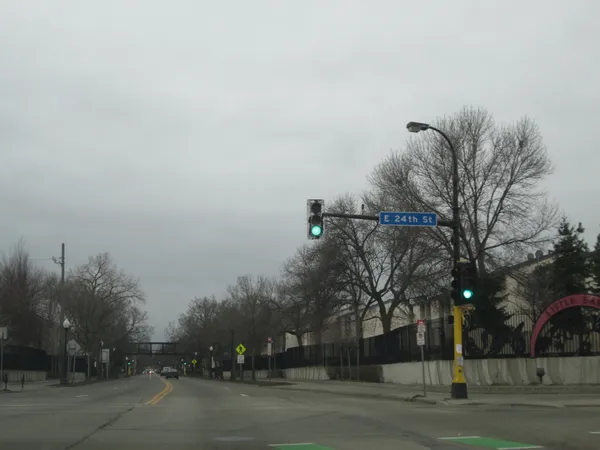
A makeshift barricade appears at a busy South Minneapolis intersection
A temporary roadblock set up by residents near the intersection of East 32nd Street and Cedar Avenue has drawn city intervention and renewed attention to how immigration enforcement activity is reshaping daily life in parts of Minneapolis.
Residents who participated described the barricade as a neighborhood safety measure. The setup altered traffic flow, effectively turning the intersection into an informal roundabout while neighbors stood watch and engaged with drivers as vehicles slowed to pass. The effort was visible enough that people stopped to ask questions and brought food to those stationed at the site.
City response centered on traffic risk and emergency access
City crews and police removed debris and homemade barriers after the roadblock appeared. City officials cited the nature of Cedar Avenue as a high-traffic, higher-speed corridor and said clearing the obstruction was necessary to protect public safety and maintain access for emergency vehicles.
The incident fits a broader pattern the city has confronted in recent weeks: street obstructions created in response to safety fears can also create new hazards, particularly for fire and medical response. In a separate January removal of barriers in another South Minneapolis area, city officials said blocked streets can slow response times and increase risk to residents and first responders.
Residents link the action to fears tied to immigration enforcement operations
Participants connected the roadblock to anxiety about immigration enforcement activity and the presence of unfamiliar vehicles in the neighborhood. Residents said they were attempting to protect children at bus stops and increase vigilance on their blocks through informal, shared responsibility.
At the same time, the appearance of ad hoc street controls raises practical and legal questions, including how to ensure that drivers can pass safely, that emergency vehicles are not delayed, and that the public is not subjected to informal screening or confrontation while using public roadways.
Escalating enforcement-protest dynamics provide the backdrop
The roadblock emerged amid heightened tensions between federal immigration enforcement and local activists who monitor operations in real time. In early February, federal agents in Minneapolis detained individuals who were following enforcement vehicles, and at least one stop involved agents drawing firearms while ordering occupants out of their vehicles. The incident came after recent court proceedings scrutinized when federal officers may detain or stop people observing or documenting enforcement activity.
Against that backdrop, neighborhood-driven tactics—such as street monitoring, rapid alerts and physical obstructions—have become more visible, while city leaders face competing pressures: residents asking for protection and calm, and public safety agencies focused on keeping streets open and preventing collisions or delayed emergency response.
Key verified details
- The roadblock was reported at East 32nd Street and Cedar Avenue on Jan. 2, 2026.
- Residents described it as a safety effort tied to concerns about immigration enforcement activity.
- City crews and police removed the obstruction, citing traffic and emergency-access safety.
Blocking streets can create safety risks even when motivated by community protection goals, particularly on high-volume corridors and in areas that depend on rapid emergency response.
City officials have not indicated whether additional traffic-control measures or enforcement steps will follow if similar roadblocks reappear. Residents who supported the action said they expect to continue neighborhood watch efforts, even as the city maintains that street obstructions are not an acceptable tool for public safety.