State Patrol reports more than 100 crashes statewide as Minnesota snowstorm disrupts travel and emergency response
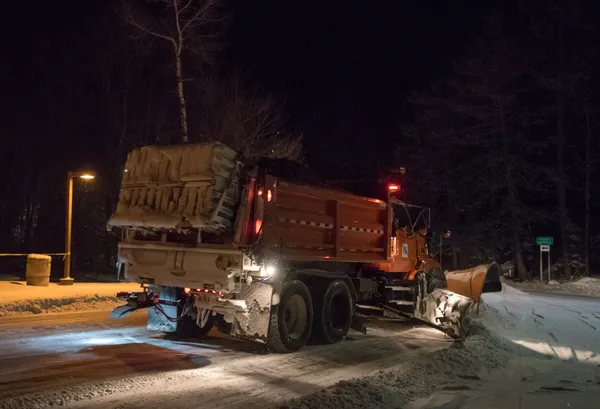
Crash totals rise as snow and blowing wind complicate driving across Minnesota
Minnesota transportation and public-safety agencies reported a sharp increase in roadway incidents as a late-winter storm moved across the state in mid-March, bringing periods of snow, reduced visibility and rapidly changing road conditions. The Minnesota State Patrol said troopers responded to more than 100 crashes statewide on Saturday, March 14, including injury crashes and at least one fatal crash.
Crash updates posted by the State Patrol over the weekend included multiple injury incidents on major routes and state highways, as well as a fatal two-vehicle collision reported shortly before 2 a.m. March 14 on Highway 24 at 620th Avenue. The same update stream listed additional injury crashes later Saturday and into Sunday, including multi-vehicle collisions and incidents involving vehicles leaving the roadway.
How storm-driven crash reporting works—and what the numbers do and do not show
Statewide crash counts shared during storms typically reflect incidents handled by State Patrol troopers during a specific reporting window. They do not necessarily include every crash investigated by local police departments or sheriff’s offices, and they may not capture minor incidents that are not reported to law enforcement. Even so, the totals provide a time-stamped snapshot of how quickly conditions can degrade and how widely impacts can spread across regions during snow events.
The State of Minnesota maintains broader crash-reporting and analysis systems used for traffic safety reporting. Those statewide datasets are designed for longer-term trend analysis and are not limited to a single storm period.
Recent storms provide context for how quickly totals can climb
The mid-March spike follows other major winter-weather events this season in which crash totals escalated rapidly across Minnesota. During a February storm, the State Patrol reported hundreds of property-damage crashes and dozens of injury crashes over roughly a day-long span, along with hundreds of vehicles sliding off roadways. In another winter event this season, agencies documented several hundred crashes statewide during a short period of snow and difficult travel.
Operational impacts: off-road vehicles, secondary crashes, and plow safety
Storm-period incident logs and public updates show several recurring operational challenges:
Vehicles leaving the roadway, which can tie up response resources even when injuries are not reported.
Rear-end and multi-vehicle crashes in low-visibility or slick-surface conditions.
Risks to emergency and road-maintenance crews, including crashes in the vicinity of traffic stops and collisions involving snowplows.
Across recent storms, incident reports show that rapidly changing conditions—rather than snowfall totals alone—often correspond with concentrated periods of crashes and roadway departures.
What drivers should watch for during the next round of winter weather
While meteorological conditions vary by storm track and region, recent crash patterns indicate that the most dangerous periods frequently coincide with transitions—rain turning to snow, sudden blowing snow, and evening or overnight temperature drops that can change traction quickly. State officials continue to emphasize that travel decisions, following distance and speed relative to conditions can be decisive factors when roads deteriorate.