Timberwolves CEO says downtown Minneapolis is priority as Target Center replacement planning accelerates
Downtown location framed as central issue in long-range arena planning
The Minnesota Timberwolves’ chief executive has identified downtown Minneapolis as the leading area of focus as the franchise evaluates a potential replacement for Target Center, setting the parameters for what is expected to be a multi-year project involving site selection, financing strategy, and complex real-estate considerations.
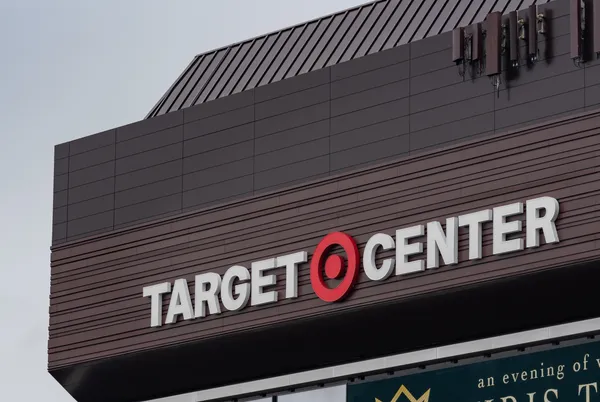
Target Center opened in October 1990 and is owned by the City of Minneapolis. It underwent a major renovation completed in 2017 at a reported cost of about $145 million, extending the building’s functionality while updating fan amenities, technology, and exterior elements. Even with those upgrades, arena development timelines in the NBA typically require long lead times, particularly when land assembly, infrastructure connections, and surrounding district planning are part of the scope.
A multi-year runway, even if a decision is made soon
Team leadership has characterized a new arena as a major priority while stressing that delivery would take years, not months. Construction alone for a modern NBA venue is commonly measured in multiple seasons, and additional time is required for pre-development work such as feasibility studies, design, permitting, and negotiating public-private responsibilities where applicable. As a result, any opening date would likely fall well beyond the near term, even if preliminary direction solidifies quickly.
Why “downtown” matters: transit, foot traffic, and existing sports infrastructure
Keeping the project centered downtown would align a new arena with the region’s largest concentration of transit access and event-night infrastructure, including skyways, parking ramps, and proximity to other major venues. Target Center also sits within an established entertainment district that supports restaurants, hotels, and year-round programming tied to concerts and other large events.
Downtown emphasis also reflects the teams’ recent investments in nearby facilities. A practice facility and sports medicine clinic operate across from Target Center, linking basketball operations to the existing core and strengthening the argument for adjacency in any future development concept.
Sites under discussion, and constraints shaping the decision
Several concepts circulating in the local development conversation place a potential arena on or near existing downtown properties rather than at the city’s edge. One frequently cited idea involves redeveloping the City Center complex area, a centrally located footprint that offers transit connectivity but also carries complications tied to existing uses, adjacent hotel ownership, and the geometry of fitting a modern arena and supporting district into a constrained site.
Separately, conceptual design exercises have highlighted blocks near the current venue as candidates for a reimagined arena district, underscoring that a downtown choice may involve tradeoffs affecting existing buildings and cultural institutions.
- Target Center’s current lease and operating structure add layers to any transition plan.
- Downtown sites can reduce car dependence but raise issues of displacement, land cost, and construction disruption.
- A replacement venue typically requires coordinated planning for loading docks, transit interfaces, and surrounding public space.
The project’s defining question is no longer whether the arena discussion exists, but where downtown a future facility could realistically fit—and how it would be financed and delivered.
No final site decision, financing plan, or construction schedule has been formally adopted. What is clear is that team leadership is centering the search on downtown Minneapolis, signaling that the next phase will involve narrowing options within the city core rather than starting from a blank map.