Tom Homan Says Minneapolis ICE Surge ‘Can Be Improved’ as Officials Discuss Reducing Federal Street Presence
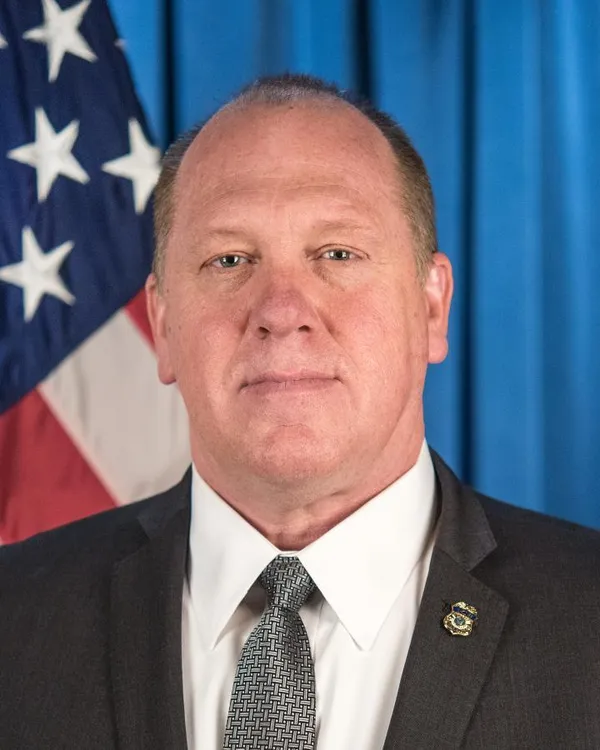
Federal immigration leadership signals operational changes after weeks of unrest and legal challenges
Federal immigration enforcement in Minneapolis is under renewed scrutiny after Tom Homan, the White House official leading the administration’s immigration push, said the ongoing operation in Minnesota “can be improved” and that internal changes are being made to make enforcement “safer” and “more efficient.” His remarks come amid continued protests, two high-profile fatal shootings involving federal immigration personnel, and an escalating legal fight between Minnesota officials and the Department of Homeland Security.
Homan has framed the next phase as a shift toward more targeted enforcement, emphasizing priorities that include people described as public safety or national security threats. At the same time, he has argued that cooperation from local jails is central to reducing federal agents’ visibility in neighborhoods, contending that arrests carried out in custodial settings reduce risks for officers and the public.
Drawdown tied to local cooperation, not a fixed timeline
Homan said a reduction in the federal presence would depend on agreements with state and local officials and on remaining operational objectives. He did not provide a specific number of federal officers currently deployed in Minnesota during public remarks, though court filings have referenced thousands of personnel from federal immigration and border agencies operating in the state.
- Federal leadership has described the Minneapolis effort as capable of improvement and subject to internal operational adjustments.
- A proposed reduction of federal personnel has been linked to jail-level coordination and notification practices.
- Local leaders have reiterated that city police will not enforce federal immigration law, while continuing talks over de-escalation.
Shootings intensify pressure and broaden scrutiny
The federal surge has unfolded against the backdrop of two fatal incidents in Minneapolis involving immigration enforcement personnel. Renee Good was shot and killed on Jan. 7, 2026, during an operation involving federal agents. Alex Pretti, a 37-year-old intensive care nurse, was fatally shot on Jan. 24, 2026, while recording an immigration enforcement action; his family has retained legal representation as investigations proceed.
Homan has declined to comment on the specifics of the shootings while investigations remain active, while also saying he has not seen evidence that agents broadly acted outside policy. Both cases have fueled demonstrations and amplified demands for accountability and clearer operational rules.
Minnesota lawsuit seeks to halt the surge
On Jan. 12, 2026, Minnesota’s attorney general, joined by the cities of Minneapolis and Saint Paul, filed a federal lawsuit seeking to stop what officials described as an unprecedented surge of federal immigration personnel. The complaint argues the operation is unlawful and unconstitutional, citing alleged civil-rights violations and significant disruptions to civic life, including costs borne by local public-safety systems.
City and state officials have argued that the deployment has forced local agencies to respond to secondary impacts—such as 911 calls, traffic issues, and public-safety demands—while federal agencies continue immigration enforcement activities.
As talks continue, the central unresolved question remains whether operational changes and local-federal agreements can meaningfully reduce street-level activity while addressing safety concerns raised by both federal officials and Minneapolis leaders.