Tom Homan’s Minneapolis briefing outlines conditions for reducing federal immigration presence amid heightened local tensions
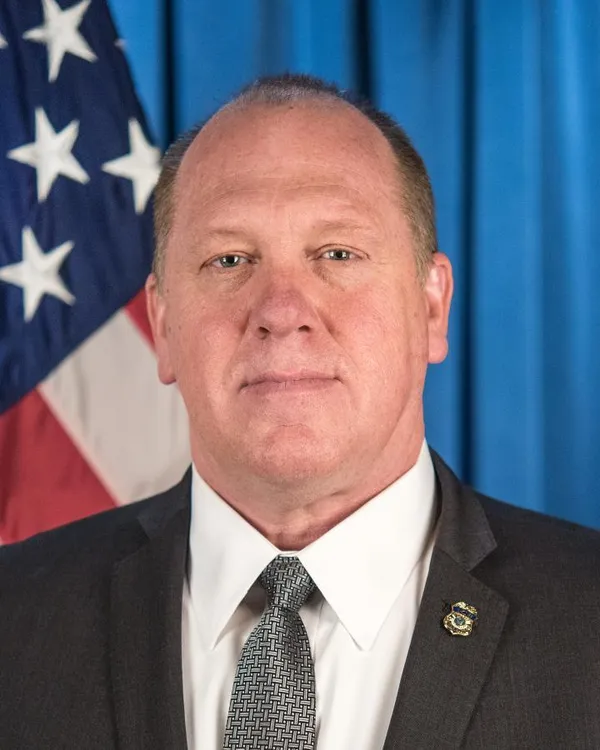
A high-profile federal appearance in Minneapolis
White House border czar Tom Homan held a public briefing in Minneapolis in late January, describing possible changes to an expanded federal immigration enforcement effort that has drawn intense attention across the Twin Cities. The appearance came after the federal government shifted leadership of the Minnesota operation to Homan and after a series of confrontations that elevated tensions between federal agents, local officials, and community groups.
What Homan said about a potential drawdown
At the briefing, Homan indicated that a reduction in federal immigration personnel in Minnesota was possible, but framed it as contingent on increased cooperation from state and local authorities. A central condition he emphasized was expanded access for federal immigration authorities to people held in state prisons and county jails so transfers could occur from secure facilities rather than through street-level operations.
Homan also acknowledged that the operation had not been “perfect” and said internal changes were being considered to make enforcement “safer, more efficient, and by the book.” He stated that the enforcement mission would continue even if staffing levels were adjusted.
Context: “Operation Metro Surge” and local responses
The federal deployment in Minnesota has been described by officials and multiple reports as a large-scale surge bringing roughly 3,000 federal personnel into the state. While federal officials have said the approach is focused on public safety threats, reporting around the operation has included accounts of arrests of undocumented immigrants without criminal records and a shift toward more targeted home-based actions rather than highly visible public arrests.
Local leaders have publicly pressed for de-escalation and clarity on operational boundaries. Minneapolis Mayor Jacob Frey has said that any reduction in federal presence would be a step in the right direction, while also calling for the operation to end. State corrections officials have said they already honor federal detainer requests in state prisons, an assertion that has been part of an ongoing dispute over how cooperation is defined.
Recent confrontations and legal scrutiny
The Minneapolis briefing occurred against a backdrop of escalating incidents tied to immigration enforcement in Minnesota, including reports of activists being detained during attempts to monitor federal activity and heightened fear in some school communities. Separately, federal investigative activity has been reported involving subpoenas and a grand jury inquiry connected to allegations of interference with federal immigration policy, underscoring that the dispute extends beyond street-level enforcement and into legal and institutional arenas.
- Homan linked any personnel drawdown to local cooperation, particularly around jail access and transfers.
- Federal officials signaled a desire to reduce public-facing confrontations by shifting tactics toward targeted operations.
- State and city officials have disputed aspects of federal claims about cooperation and enforcement impacts.
The briefing’s central message was conditional change: fewer federal officers may be possible, but only alongside operational access and reduced friction on the ground.
What to watch next
In the near term, the practical meaning of “cooperation” will likely determine whether staffing levels change and how enforcement is carried out. Any drawdown would still leave unresolved questions about oversight, the role of local law enforcement and corrections systems, and the balance between federal objectives and community impact in Minneapolis and across Minnesota.