Trump Comments on Minneapolis Federal-Agent Killings as Administration Orders Partial Minnesota Enforcement Drawdown
What the president said and what changed on the ground
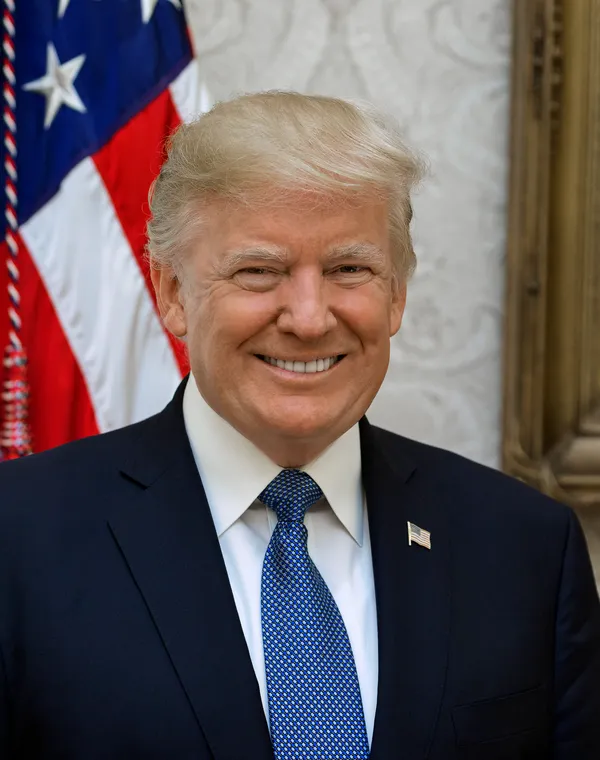
President Donald Trump has drawn renewed scrutiny in Minnesota after remarks in a televised interview in which he discussed the January killings of two Minneapolis residents during federal immigration enforcement activity. In that interview, Trump described the two deaths as incidents that “shouldn’t have happened,” while also arguing that those responsible “feel worse” than anyone else about what occurred. The comments came as the White House moved to reduce the size of the federal enforcement footprint in the Twin Cities.
On Feb. 4, federal “border czar” Tom Homan announced that 700 Immigration and Customs Enforcement (ICE) and Customs and Border Protection (CBP) officers would leave Minnesota. The move follows weeks of protests, intensifying political conflict between federal officials and Minnesota leaders, and a growing set of legal and civil-rights challenges tied to the operation.
Two fatal shootings in January
The first death occurred on Jan. 7, when Renée Nicole Good, 37, was shot and killed in Minneapolis by an ICE officer during enforcement activity amid heightened federal presence. Federal officials and the president described the shooting as a defensive action, while witnesses and video accounts have been central to disputes over what happened in the moments before gunfire.
The second death occurred on Jan. 24, when Alex Jeffrey Pretti, 37, an ICU nurse and U.S. citizen, was shot and killed on Nicollet Avenue by federal agents during an enforcement operation. Homeland Security leaders said agents fired in response to a perceived threat; civil-rights groups and some media video analyses have challenged that characterization. Agents involved were placed on administrative status as reviews proceeded.
Operation scale and the announced shift
Federal officials have described the Minnesota deployment as part of a broader crackdown, with a surge that increased the number of officers operating in the area into the thousands. Homan’s announcement would reduce that footprint but leave roughly 2,000 federal officers in Minnesota.
Homan said enforcement would increasingly emphasize arrests tied to jails and prisons, rather than street-level actions that had become flashpoints for confrontation. The administration has also signaled internal command changes following the backlash, including leadership adjustments connected to the operation.
Political and legal pressure in Minnesota
Minnesota officials, including Gov. Tim Walz and Minneapolis Mayor Jacob Frey, have publicly criticized the federal operation and urged a broader withdrawal. The deaths of Good and Pretti intensified local opposition and triggered sustained demonstrations, as well as demands for independent investigation and accountability.
- Federal authorities have framed the pullback as an enforcement recalibration.
- State and local leaders have argued the remaining federal presence still poses risks to public safety and civil liberties.
- Public response has included protests, calls for oversight, and ongoing litigation over enforcement tactics.
The central disputes remain unresolved: whether the use of lethal force was justified in each case, and whether the federal operation’s tactics complied with constitutional and statutory limits.
The partial drawdown changes the scale of the federal presence, but it does not end the underlying conflict over enforcement strategy, accountability for the January deaths, and the role of federal agents in local public life.