Vance plans Minneapolis visit as immigration operation expands, prompting lawsuits, subpoenas, and mass protest organizing
A high-profile visit amid a widening federal crackdown
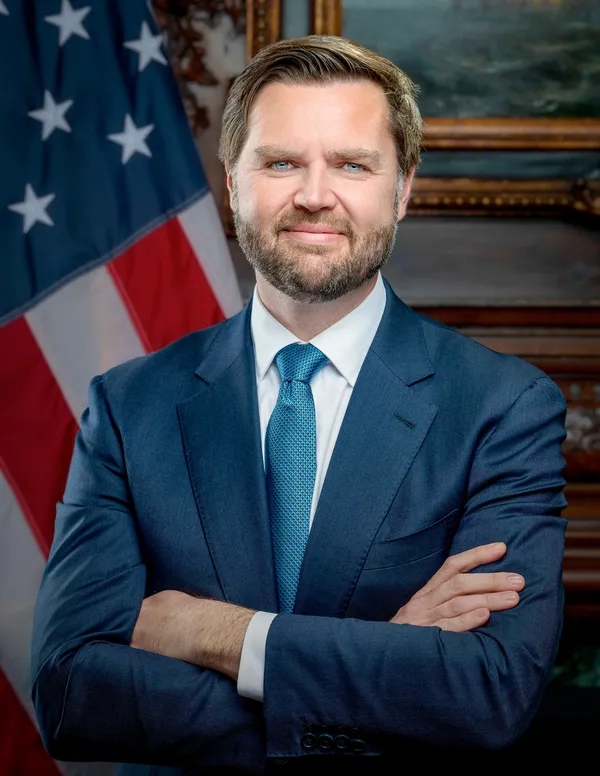
Vice President J.D. Vance is expected to visit Minneapolis as federal immigration activity in Minnesota intensifies, sharpening a political and legal standoff between local leaders and the Trump administration. The trip is set against the backdrop of an ongoing federal enforcement surge that has concentrated significant immigration personnel in the Twin Cities and expanded activity across the state since late 2025.
What the federal operation entails
Federal authorities have described the Minnesota effort as the largest immigration enforcement operation undertaken by the Department of Homeland Security in the state, with thousands of arrests reported since the push began. The operation has involved Immigration and Customs Enforcement and other federal components and has included arrests at workplaces and in public areas, as well as heightened presence around community institutions.
In parallel with street-level enforcement, federal planning documents and reporting have pointed to efforts to expand detention capacity and transportation logistics in the region, including potential use of facilities in western Minnesota and a broader network spanning neighboring states.
A fatal shooting becomes a flashpoint
Tensions escalated sharply after the killing of Renée Good, a 37-year-old U.S. citizen who was fatally shot by an ICE officer in Minneapolis on January 7, 2026. Federal authorities have asserted she posed a threat during an encounter; witnesses and video accounts have disputed key elements of that characterization. The incident has fueled sustained protests and intensified scrutiny of federal tactics.
Legal battles: lawsuits and court limits
The State of Minnesota and the cities of Minneapolis and St. Paul have moved into federal court seeking to halt or constrain the enforcement surge, arguing that the scale and conduct of the operation violate legal standards. The litigation has become a central venue for disputes over constitutional protections, the boundaries of federal authority, and the treatment of bystanders, observers, and community members.
Separately, a federal judge has issued limits affecting federal crowd-control responses in Minnesota, including restrictions aimed at protecting peaceful protest activity from retaliation.
Federal subpoenas heighten the political conflict
In a further escalation, federal prosecutors have issued grand jury subpoenas to prominent Minnesota officials, including Gov. Tim Walz, Attorney General Keith Ellison, and the mayors of Minneapolis and St. Paul. The investigation focuses on whether state and local actions improperly obstructed federal immigration enforcement. State and city leaders have publicly rejected the premise, describing the subpoenas as politically motivated.
Protests, economic action, and citywide impacts
Labor and community groups have organized a statewide “economic blackout” planned for Friday, January 23, 2026, urging residents to refrain from work, shopping, and school to protest the enforcement surge. Organizers cite fear in immigrant communities, disruptions to daily life, and demands for accountability following Good’s death.
Key dates: Jan. 7, 2026 (fatal shooting); Jan. 23, 2026 (planned economic blackout).
- Federal enforcement activity has expanded since late 2025, with thousands of arrests reported.
- Minnesota and Twin Cities leaders are challenging the operation in court while also facing federal subpoenas.
- Vance’s planned Minneapolis visit comes as protests and economic actions broaden statewide.