Walz faces House questioning on Minnesota fraud growth as federal Medicaid payments and enforcement escalate
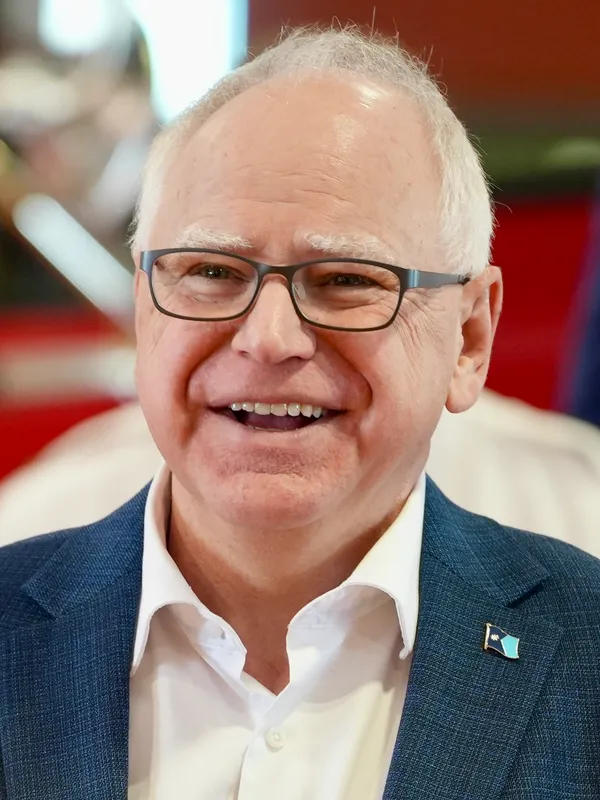
Congressional hearing spotlights Minnesota’s fraud controls and federal-state tensions
Minnesota Gov. Tim Walz and Attorney General Keith Ellison appeared before the U.S. House Committee on Oversight and Government Reform on Wednesday, March 4, 2026, as lawmakers scrutinized fraud and misuse of public money tied to state-administered programs that rely heavily on federal funding. The hearing unfolded against an intensifying dispute between Minnesota and the Trump administration over enforcement actions and federal payment decisions connected to fraud concerns.
Questioning at the hearing reflected two competing narratives: Republican members pressed Walz and Ellison on how high-dollar fraud schemes expanded during Walz’s tenure, while Democratic members emphasized the consequences of federal immigration enforcement actions that state leaders said have diverted resources and complicated the state’s anti-fraud work.
Feeding Our Future and program scale were central to the exchanges
One focal point was the Feeding Our Future case, a pandemic-era school-meals fraud investigation that became a benchmark in Washington for broader concerns about program oversight. During the hearing, Walz was asked about the magnitude of growth in the program’s spending during the pandemic period and whether he was aware of the increase. Walz said he was not aware of specific budget figures, while acknowledging that costs rose during the pandemic.
Members also revisited the period when state education officials halted payments to Feeding Our Future and later resumed them, an episode that has been widely cited in oversight debates about how agencies balance fraud warnings, legal risk, and continuity of services.
Medicaid funding dispute adds immediate financial stakes
The hearing came days after the administration announced it would pause $259.5 million in Medicaid funding to Minnesota while pressing for additional anti-fraud steps. Federal officials framed the pause as a measure to protect program integrity. Walz publicly rejected that premise and described the action as politically motivated, warning it could affect services for Minnesotans who rely on Medicaid.
Ellison said his office has secured more than 300 Medicaid fraud convictions since he took office in 2019 and has urged the Legislature to provide additional staff and legal tools aimed at boosting enforcement.
State actions and federal enforcement pressures
State leaders have pointed to a series of integrity initiatives enacted over multiple legislative sessions and executive actions aimed at strengthening prevention and detection. Measures highlighted in official state materials include expanded authority to stop suspicious payments, increased data-sharing across agencies, creation of an inspector general function at the Minnesota Department of Education, and new anti-kickback provisions. An executive order issued in 2025 directed additional steps to coordinate anti-fraud work across agencies.
Separately, Minnesota has faced heightened federal law-enforcement activity tied to allegations of fraud involving day care centers and other service providers, as well as broader immigration enforcement operations that federal officials have linked to fraud investigations. Walz and Ellison told the committee that the surge in federal enforcement activity has strained state capacity and complicated coordination.
- Congressional scrutiny focused on how fraud risks were identified, escalated, and acted on across agencies.
- The Medicaid payment pause raised near-term consequences for state budgeting and public program operations.
- Both parties signaled that additional oversight requests and policy demands are likely to follow.
The hearing underscored a central unresolved issue: how to measure the effectiveness of anti-fraud enforcement while maintaining program access and complying with federal requirements.
Morning Mist Gives Way to a Record-Chasing March Thaw

Minneapolis man gets 57 months for attempted juror bribery tied to Feeding Our Future trial
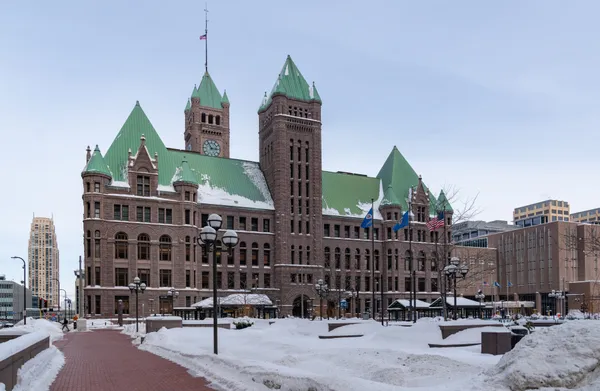
Minneapolis council members challenge MPD response to ICE actions as federal enforcement surge strains city limits