Walz Responds to New Minnesota Fraud Roadmap as State Faces Long-Running Oversight Vulnerabilities
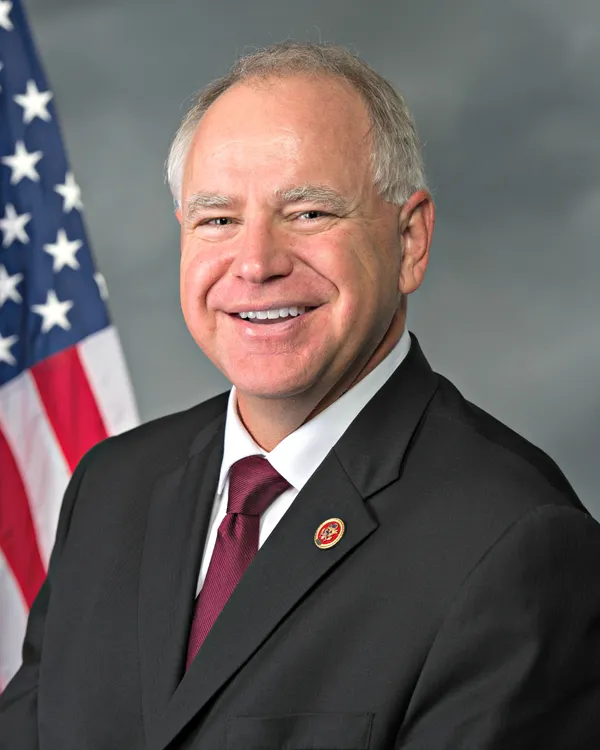
A new statewide fraud-prevention roadmap lands amid intensifying scrutiny of Minnesota’s public programs
Gov. Tim Walz on Monday, Feb. 23, responded publicly to a newly released report that frames Minnesota’s fraud challenges as the result of weaknesses that have accumulated over decades across multiple administrations and agencies. The report, titled “Roadmap to Program Integrity and Fraud Prevention,” was issued the same day and presents a proposed enterprise-wide approach to preventing, detecting and responding to fraud, waste and abuse in state-administered programs.
The 56-page roadmap was prepared by Tim O’Malley, Minnesota’s Director of Program Integrity. It describes a review that began in January 2026 and included document review, interviews with current and former state employees and agency leadership, and meetings with whistleblowers, service providers and private citizens. The report states that repeated audits and evaluations spanning decades identified internal-control weaknesses that were not consistently corrected, creating opportunities for organized fraud schemes to exploit state and federal funding streams.
What the roadmap says: nine pillars and a shift from reactive enforcement
The roadmap proposes reforms designed to move Minnesota from investigations and prosecutions that can occur years after losses to prevention designed to reduce opportunities for fraud at the front end. It organizes recommendations into nine “pillars,” spanning leadership and culture, program controls, interagency coordination, training, legislation, technology modernization, independent monitoring, stakeholder engagement, and resource capacity.
- Strengthening leadership expectations and accountability for program stewardship.
- Expanding up-front screening and verification for providers and participants in high-risk programs.
- Standardizing controls and separating duties across program steps such as enrollment and payment approval.
- Creating centralized intake and triage for fraud tips and improving coordination with investigators and prosecutors.
- Modernizing data systems and sharing information across agencies to detect cross-program abuse.
The report also includes an historical appendix of nearly 70 examples of prior warnings dating to 1977. Many of the cited examples involve human services programs, with additional references to public health, education and administrative functions. The roadmap does not provide a single statewide loss total, and it does not list individual names tied to specific schemes.
How Walz’s response fits into a broader political and enforcement landscape
Walz’s reaction comes as Minnesota faces heightened attention from federal officials and lawmakers over fraud in publicly funded programs, including those tied to health and social services. In recent weeks, state agencies have separately described program-integrity actions such as increased investigations, referrals to law enforcement, and moves affecting provider enrollment in certain service categories.
The roadmap’s central claim is structural: that persistent vulnerabilities—rather than a single program failure—have allowed fraud networks to exploit decentralized administration, inconsistent oversight, and limited data coordination. It calls for statewide standards that can be applied across agencies while still allowing program-specific safeguards where needed.
The report argues that Minnesota must focus on reducing “opportunity” for fraud through stronger controls, screening and oversight—before dollars are paid out.
What happens next
The roadmap is a set of recommendations rather than a binding directive. Implementing its proposed changes would require actions by executive agencies, potential legislative approvals for new authorities and funding, and operational changes such as workforce training and technology upgrades. The report also calls for independent review when there are allegations of failures to act on suspicious activity, signaling that oversight may extend beyond program rules to internal decision-making and accountability.
A City Standing Firm: Your Minneapolis Morning Briefing for March 5

Major Bridge Closure on I-494 Starts This Morning; I-394 Lane Reductions Persist
Morning Mist Gives Way to a Record-Chasing March Thaw