Minnesota lawmakers advance AI guardrails with disclosure rules, insurance limits, and strengthened deepfake restrictions
A broadened push to regulate AI at the Capitol
Minnesota lawmakers are moving a package of proposals aimed at limiting harms associated with artificial intelligence, focusing on transparency in consumer interactions, restrictions on AI use in health insurance decision-making, and tighter rules governing deceptive synthetic media. The measures reflect a wider effort by legislators to update consumer protection and public safety frameworks as generative AI tools become more widely used in everyday commerce and politics.
Disclosure requirement would target AI “human-like” conversations
One proposal, Senate File 1886, would make it an unfair or deceptive trade practice for a business to fail to disclose that a person is communicating or interacting with artificial intelligence in a textual or aural conversation. The bill defines artificial intelligence broadly as a machine-based system that infers from inputs to generate outputs such as content, decisions, predictions, or recommendations that can influence physical or virtual environments.
Legislative activity on the bill spans the current biennium: it was introduced and referred to a Senate committee in February 2025 and was later reassigned in February 2026 to the Senate Judiciary and Public Safety Committee, signaling an increased emphasis on enforcement and potential legal exposure.
Health insurance proposal seeks to limit AI-driven claim denials
Separately, House lawmakers have begun committee work on legislation that would prohibit health insurers from using AI to deny an enrollee’s claim. The proposal received its first committee hearing in mid-February 2026 and was laid over for potential inclusion in a broader legislative vehicle later in the session. The bill’s central aim is to keep benefit determinations from being fully automated, placing guardrails around how insurers can use algorithmic tools in utilization review and related processes.
Deepfakes: Minnesota’s existing rules are already being tested
Minnesota has also been tightening its approach to deepfakes. State law already criminalizes certain uses of AI-generated or otherwise technically produced synthetic media intended to injure a candidate or influence an election during defined pre-election time windows. That election-related deepfake law is now the subject of a constitutional challenge in federal court brought by X Corp., raising questions about how far states can go in restricting synthetic political media without infringing on protected speech.
How the proposals fit with broader consumer-privacy enforcement
The AI proposals are developing alongside Minnesota’s newer consumer-privacy enforcement landscape. The Minnesota Consumer Data Privacy Act took effect in 2025, and as of early February 2026 the Attorney General’s Office reported it had moved beyond an early warning period and could bring enforcement actions without providing 30-day notice. While the privacy law and the AI bills address different conduct, both rely on consumer-protection concepts that can be enforced by the state.
What to watch next
- Committee action and amendments on SF 1886 as it advances in the Senate.
- Whether the health insurance AI restriction is incorporated into a larger commerce, health, or insurance omnibus bill.
- Developments in the federal lawsuit challenging Minnesota’s political deepfake law, which could shape future drafting of AI-related restrictions.
As lawmakers debate these measures, the central policy questions remain enforcement, definitions that can keep pace with evolving technology, and constitutional boundaries when AI-generated content intersects with political speech.

Minneapolis-based Mortenson wins $610 million federal contract for Texas sterile-fly facility targeting New World screwworm
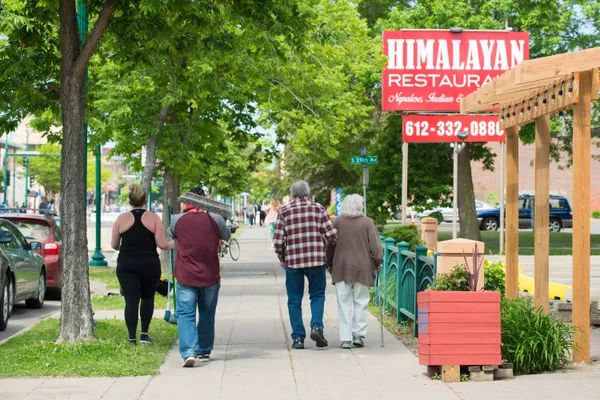
Extreme Noise Records will relocate to East Lake Street after 26 years in Lyn-Lake
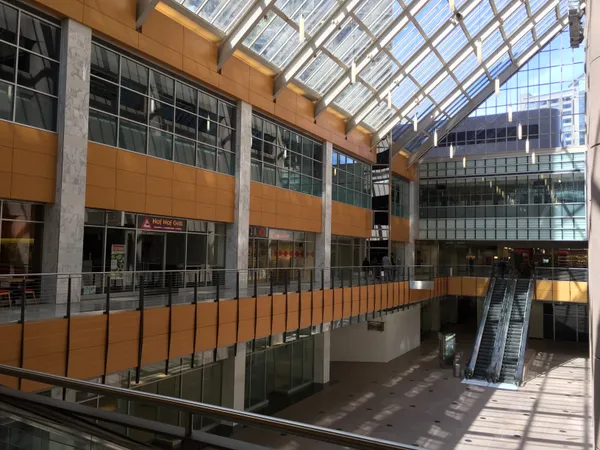
Fhima’s Minneapolis restaurant at City Center ends service, leaving another vacancy in historic dining room