Trump removes Kristi Noem as DHS secretary after fatal federal shootings of two Minneapolis residents

Leadership change at Homeland Security
President Donald Trump has removed Kristi Noem as secretary of the Department of Homeland Security, ending her tenure atop the federal agency that oversees immigration enforcement, border security and emergency management. The White House has said Noem will move into a new role as special envoy for the “Shield of the Americas,” a Western Hemisphere security initiative scheduled to be unveiled in Florida. Trump has named U.S. Sen. Markwayne Mullin of Oklahoma to become the next DHS secretary, with the change set to take effect March 31, 2026.
Minneapolis deaths that intensified scrutiny
The leadership shift follows weeks of heightened national attention on federal enforcement activity in Minneapolis after two U.S. citizens were fatally shot in separate incidents involving federal officers in January.
On Jan. 7, 2026, Renée Nicole Macklin Good, 37, was shot and killed in Minneapolis by an Immigration and Customs Enforcement agent identified in public reports as Jonathan Ross.
On Jan. 24, 2026, Alex Jeffrey Pretti, 37, a U.S. citizen and an intensive-care nurse employed at the Minneapolis VA hospital, was shot and killed in Minneapolis during an encounter involving U.S. Customs and Border Protection officers.
The two deaths became focal points in a broader dispute over how federal immigration enforcement operations were being conducted in the city and what oversight mechanisms applied when incidents involved federal officers operating alongside—or separately from—local law enforcement.
Investigations and oversight questions
Federal investigations into the shootings have proceeded along multiple tracks, including FBI involvement. At the same time, questions about the role of the Justice Department’s Civil Rights Division and the timing of federal decisions on whether to open a civil-rights pattern-or-practice review have drawn attention from civil-rights advocates and lawmakers.
In Washington, the political fallout reached congressional committees, where Noem faced pointed questioning in hearings that scrutinized DHS management, operational controls, and accountability following lethal uses of force by federal personnel. In the House, Democratic lawmakers publicly pushed for stronger oversight tools, including calls tied to impeachment-related efforts aimed at DHS leadership.
Local impact and competing narratives
The Minneapolis incidents triggered protests and placed city and state officials in a recurring conflict over jurisdiction, transparency and access to information at active scenes. Public statements by federal officials defending enforcement actions—alongside accounts from local officials and community groups disputing those characterizations—contributed to a fast-moving and contested public record.
At the center of the dispute was a basic question with major consequences: how federal agencies should be held accountable when operations in a U.S. city end in civilian deaths.
What comes next
Mullin’s expected confirmation and transition period will arrive as DHS remains under pressure to explain operational decision-making and use-of-force standards in urban enforcement actions. Noem’s reassignment to a new regional-security portfolio, and the administration’s planned announcement of the “Shield of the Americas,” suggests immigration and hemispheric security will remain central to DHS-adjacent policymaking even as leadership changes at the department’s top.
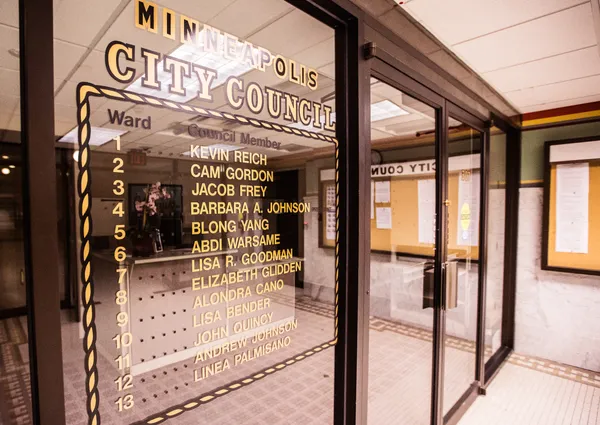
Minneapolis City Council Meets to Address Public Safety and Federal Enforcement Concerns

Twin Cities Tip-Off: Timberwolves Host Raptors for High-Stakes Matchup at Target Center
A City Standing Firm: Your Minneapolis Morning Briefing for March 5